|
|

 |
 |
 |
 |
 |
 |
 |
 |
 |
| Tue., June 9, 2026 |
 |
| Moon Phase: Last Quarter |
|
Next Full: June 29 Next New: June 14 Sunrise: 5:25 a.m. Sunset: 8:25 p.m. |
| More Info |
| Springtime Jigging for Stripers and Blues By Capt. Allen Gonzalez, Reel Class Charters, Point Pleasant |
|||
|
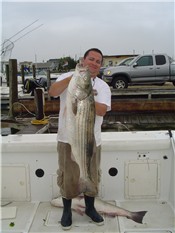
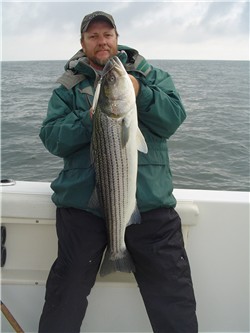
Although most saltwater anglers in Jersey associate autumn as the time to work diamond jigs in the ocean and score wild fishing for striped bass and bluefish, springtime typically means bigger stripers along the beaches. Many of these stripers top 30 inches, and 20 pounders and larger ones can be caught. Spring also brings a push of hungry bluefish, many over 10 pounds. At times the volume of these blues is greater than in the fall, so they’re an added bonus to the angler. The bottom line is that bigger fish dominate the jigging scene in spring, and refining some techniques will help you put a good catch together. Jig Selection Some of the baits tend to be larger in spring, and smaller baits are mixed in. Types of baits can be numerous, but tinker mackerel, rainfish, sand eels, spearing, sea herring and adult bunker are most abundant. When you locate bait and fish, identify them. Bunker and herring will swirl on the surface, appearing on the fish finder as bigger bait marks near the surface that are balled up. Baits like rainfish and spearing will also appear near the surface but are smaller, so they’ll only dimple the water, unless something is chasing them, making them leap from the surface. Smaller birds picking away at the surface and coming up with small baits can also indicate these forage fish. Sand eels and tinkers—kind of the medium-sized baits among this bunch—gather near the bottom. So watch the fish finder for them, but also notice whether fish that you catch spit them up. Match the hatch. Find a jig that imitates the current bait as much as possible. An Ava 47 with a dark-red tail is a good all-around choice. No matter whether smaller baits or larger baits are present, this jig will often draw a strike when nothing else will. If mostly herring or bunker are schooling, a crippled herring, Krocodile or Hopkins can be a good choice, because these baits are bigger, and so are the jigs. If you see rainfish or spearing, a smaller Ava like a 17 or 27 will get smacked. But don’t overlook other small jigs. When tinker mackerel are around, a mackerel-colored crippled herring of the same size can hardly go wrong! When sand eels are the bait, Nordic eels and other sand eel imitations can be the key. Aside from these jigs, Ava’s with black, dark-green and yellow tails in varying weights should also be brought along. “Doing the Jig” To catch stripers, work the bottom! A yo-yo’ing motion with most jigs will draw the most bites. A simple lift of the rod tip from 5 o’clock to 12 o’clock will usually entice most bass to bite. For bluefish, cast the jig out, let it sink a bit, then begin a steady retrieve. You might want to replace any treble hooks on jigs with a single hook. Fish are then easier to unhook and are less likely to be mortally wounded if you want to release them. |
||
Location You’re on the ocean off the beach front. Now what? Search for birds working the water. If the bait is abundant, you’ll see birds diving and picking at them, sometimes all around. In the spring, when the bait is smaller like rainfish or spearing, bluefish are usually storming through. In the fall, the fish can be a mix of blues and bass, and that’s another story. Bluefish might fill the entire water column, but bass, bigger bass, will usually swim below the blues, waiting to catch the scraps from above. That’s when the heavy weight of metal jigs comes in handy! Work the fringes of the birds and fish. If you work the bottom, you’ll usually find a bass. If you work the upper depths, you’ll most likely grab a bluefish. If the bass and blues are feeding on large bait like adult bunker, they’ll still hit jigs. If the fish are slamming through the bunker on the surface, place your jig just under the bait, and work it there, and hold on, because under these circumstances, the fish are keyed up! Bunker are sometimes below the surface, and the fish finder will read them as huge balls of bait, and stripers will appear underneath and away from the bait. Drop your line down to them and start jigging away. If no birds are found, you still have a good, second option that can produce more bass and fewer blues. Find structure, and drop your jigs when you see the telltale marks of fish holding just off the bottom. Reefs, wrecks and rocks can hold bait and stripers. At times you’ll read sea bass that populate the structure, and they typically lie in the depressions, but larger ones sometimes gather on top or above. Stripers will be above, not right in the structure like the sea bass, so look there for stripers. But taking home some tasty sea bass isn’t a bad idea! Rods and Reels I prefer a conventional reel with 20-pound mono on a rod about 7 feet with medium-heavy action. Your leader in spring should be heavier than in fall, because the fish are bigger. Go with 40-pound in spring and 30 in fall. Braided line can be used on the same outfit with a 10-foot shock leader of the same strength. Spinning gear can also be used, but make sure it’s “beefed up” for larger fish. This springtime fishery offers simply awesome action, and jigging can be very rewarding. A few stripers over 25 pounds are usually nailed each season. Be sure not to miss out! |
|||