|
|
 |
 |
 |
 |
 |
 |
 |
 |
 |
| Tue., June 9, 2026 |
 |
| Moon Phase: Last Quarter |
|
Next Full: June 29 Next New: June 14 Sunrise: 5:25 a.m. Sunset: 8:25 p.m. |
| More Info |
Pop ... Pop ... Pop |
|||
|
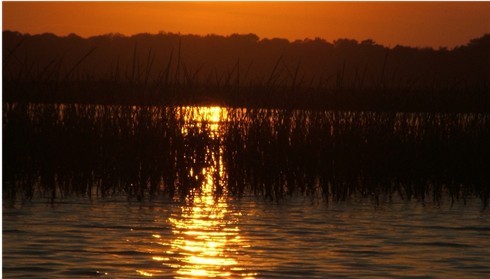
Pop … Pop … Pop … “Here it comes …wait … he missed it! Pop it again!” Crash! Water sprays like a brick was splashed into the bay. A striper just crushed another surface popper lure. The rod is bent and bouncing, and the angler is grinning. I soak up the enjoyment atop the poling platform of my Florida-style flats boat. It’s summertime in the back bays behind Sea Isle City, late in the afternoon, with the sun beginning to set over the marsh. Shorts and T-shirt weather, not the conditions most people relate to striper fishing. Conventional wisdom says that only fall and spring are the seasons for stripers, but the unconventional angler catches stripers all summer long. We’re catching striped bass on popper lures and popper flies during July in 70-degree shallows, warm water that gets the stripers active enough to crash the top-waters. The flats in the bays and the creeks in the marshes behind the barrier islands of South Jersey produce top-water action that keeps my charters coming back year after year, because it’s fun, exciting fishing. The location where these wonderful game fish are caught is what makes this the most fun. All manner of birds and wildlife scurry around. Great blue herons and egrets give away the locations of baitfish, and the stripers that chase them. Turtles poke their heads out to see what’s gliding past: the boat. Clear, shallow waters allow large rays to be seen swimming along the bottom. Even the occasional striper will be spotted swimming by if the angler stays watchful. Songs and calls reveal birds hidden in the marsh grasses. Although it’s tucked away in the most densely populated state, and even thought it’s the peak vacation season there, solitude and only the sounds of the bay can be found while anglers watch the sunset over the water and chase stripers. Light tackle is the name of the game, because it makes the fishing the most exciting. Spinning rods spooled with 10-pound line allow anglers to cover the most water. |
||
the strikes. Attach your lure to a 24- to 36-inch, 20- to 30-pound fluorocarbon leader. Although many anglers attach the leader to the main line with a swivel, I prefer a knot. I tie a spider hitch to form a loop on the leader. Then I use a Bristol or No-Name Knot to attach the main line to the loop. Monofilament line is my preference over braided line for this type of fishing. Mono is easier to work with and tangles less while casting. Popper fishing isn’t limited to conventional rods and reels. Fly-fishing with poppers is an absolute blast! This is classic floating-line, shallow-water fishing. Fly anglers should use a standard, 9-foot leader tapering down to a 15- to 20-pound tippet. This heavier tippet helps turn over the wind-resistant poppers. Many flies will work, and some of my favorites include Gurglers, Crease Flies, Bob’s Bangers and hard-foam, cup-faced poppers. Clouser minnows in chartreuse over white will also produce these flats stripers, but it’s not as visually exciting.
When selecting the best times to pursue the stripers, pick a high tide that coincides with sunrise or sunset. During the heat of the summer, flood tides will also tend to cool off the bay, with cooler, oxygenated water pushing in from the ocean. This makes the fish much more active. Now the next time you hear an angler in the tackle shop or on the water say that stripers can only be caught during the spring or fall, you can smile. Don’t bother trying to explain. We don’t want the word to get out! |
|||
 |
|||
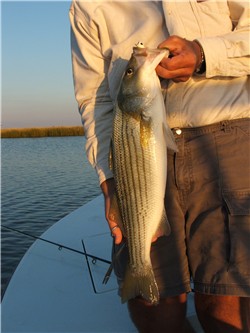
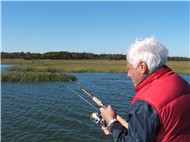 Whether you fly fish or enjoy spinning rods, it’s great fun, and highly effective in summer. No matter which type of rod you prefer, the fishing tactics are similar.
